Introduction
Halloween is one of the most exciting holidays of the year — a time filled with costumes, candies, pumpkins, and spooky fun. Every year on October 31st, millions of people in the United States and around the world celebrate Halloween in their own special way.
But have you ever wondered why we celebrate Halloween?
Where did this holiday come from? And why do we carve pumpkins, dress as ghosts, and go door to door saying “Trick or Treat”?
In this article, we’ll explore the history, meaning, and modern traditions of Halloween — all explained in simple words.
1. What Is Halloween?
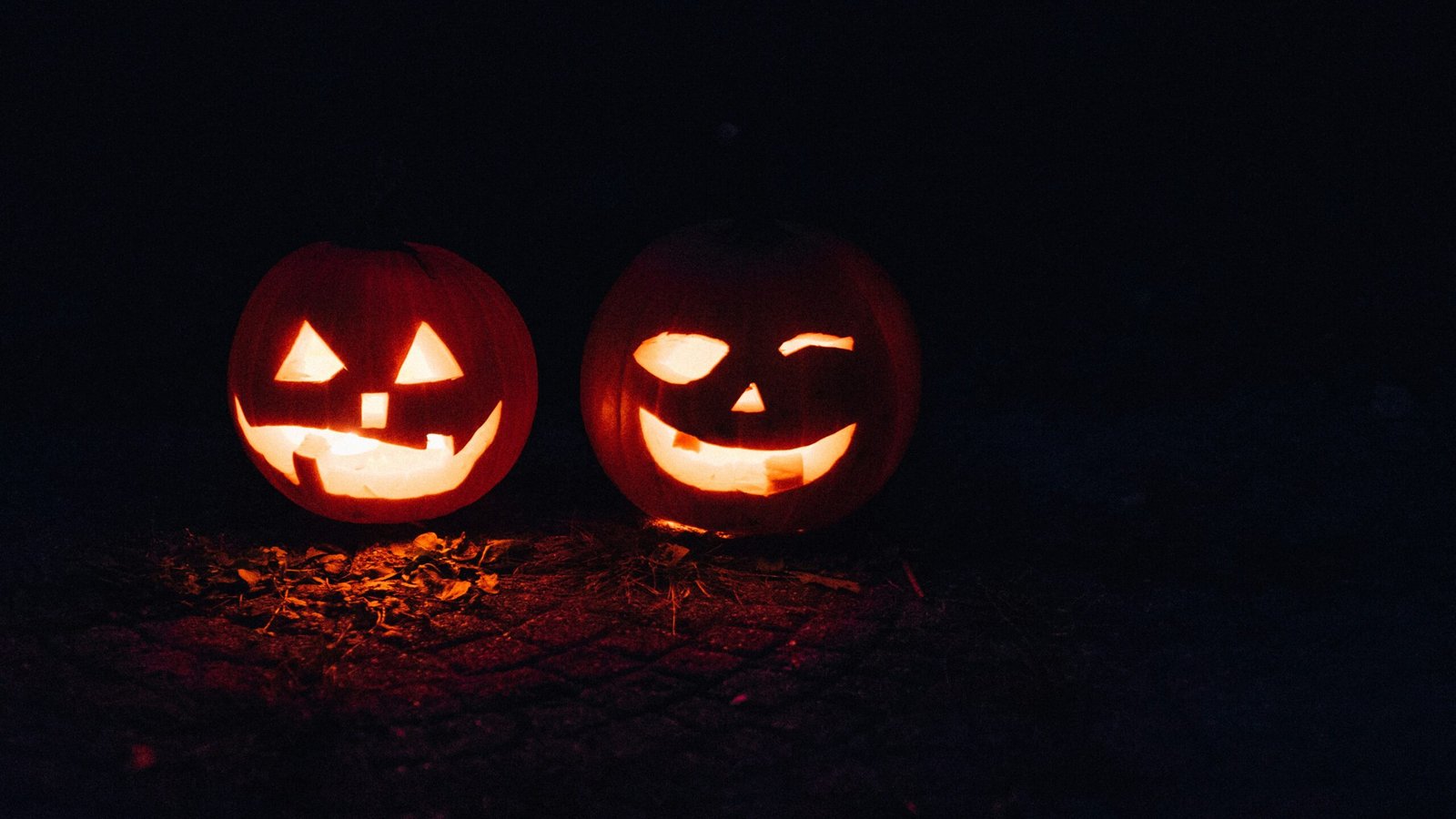
Halloween is a holiday celebrated every year on October 31st. On this day, people:
Wear fun or scary costumes 🎭
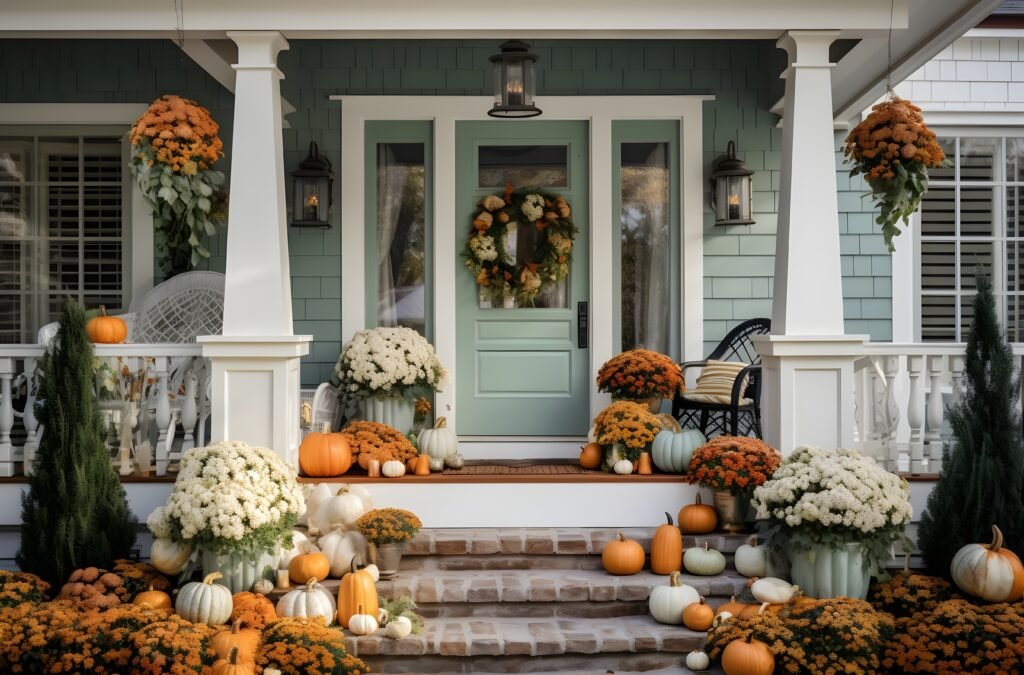
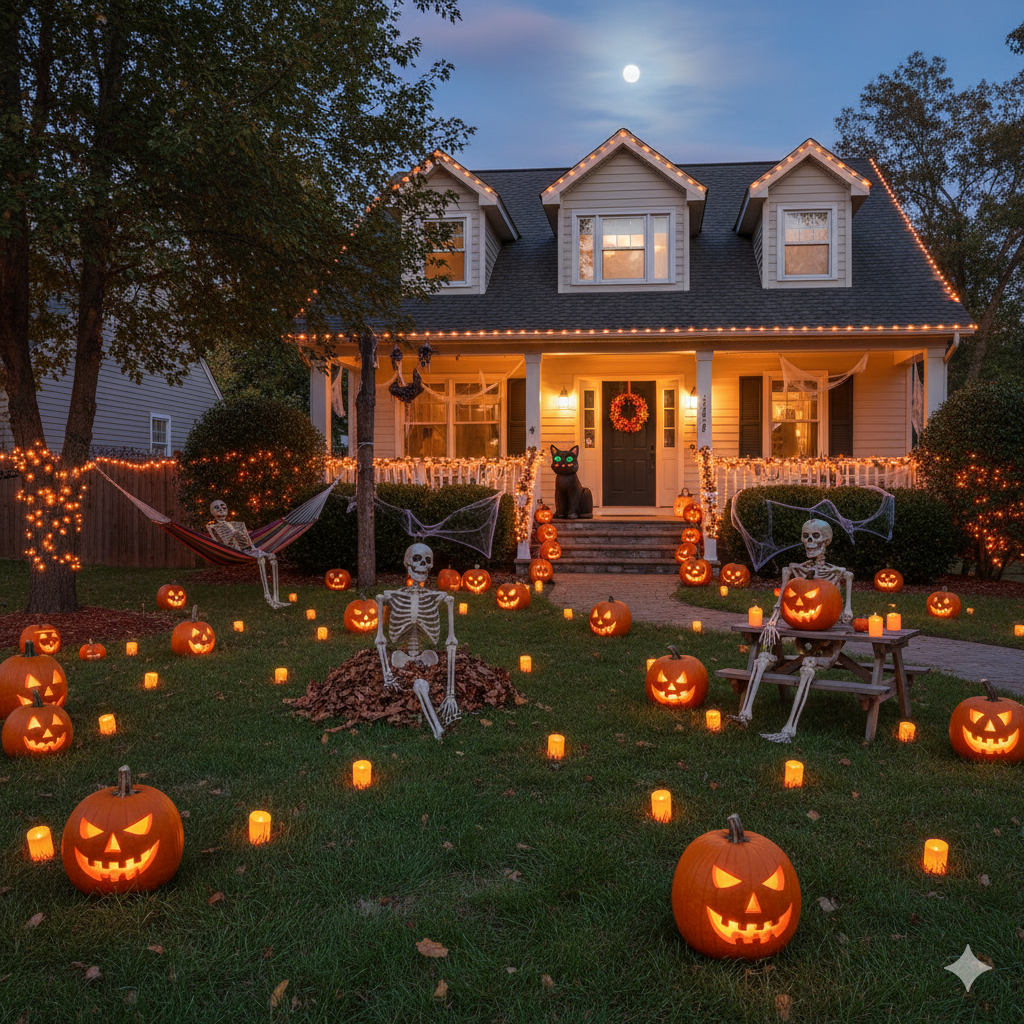
Decorate their homes with pumpkins, skeletons, and cobwebs
Go trick-or-treating (children ask for candies from neighbors)
Attend Halloween parties
Watch scary movies or visit haunted houses
The word “Halloween” comes from “All Hallows’ Eve,” which means the evening before All Saints’ Day — a Christian festival that honors saints.
However, the roots of Halloween go much deeper — all the way back to ancient Celtic traditions.
2. The Ancient Roots – The Celtic Festival of Samhain
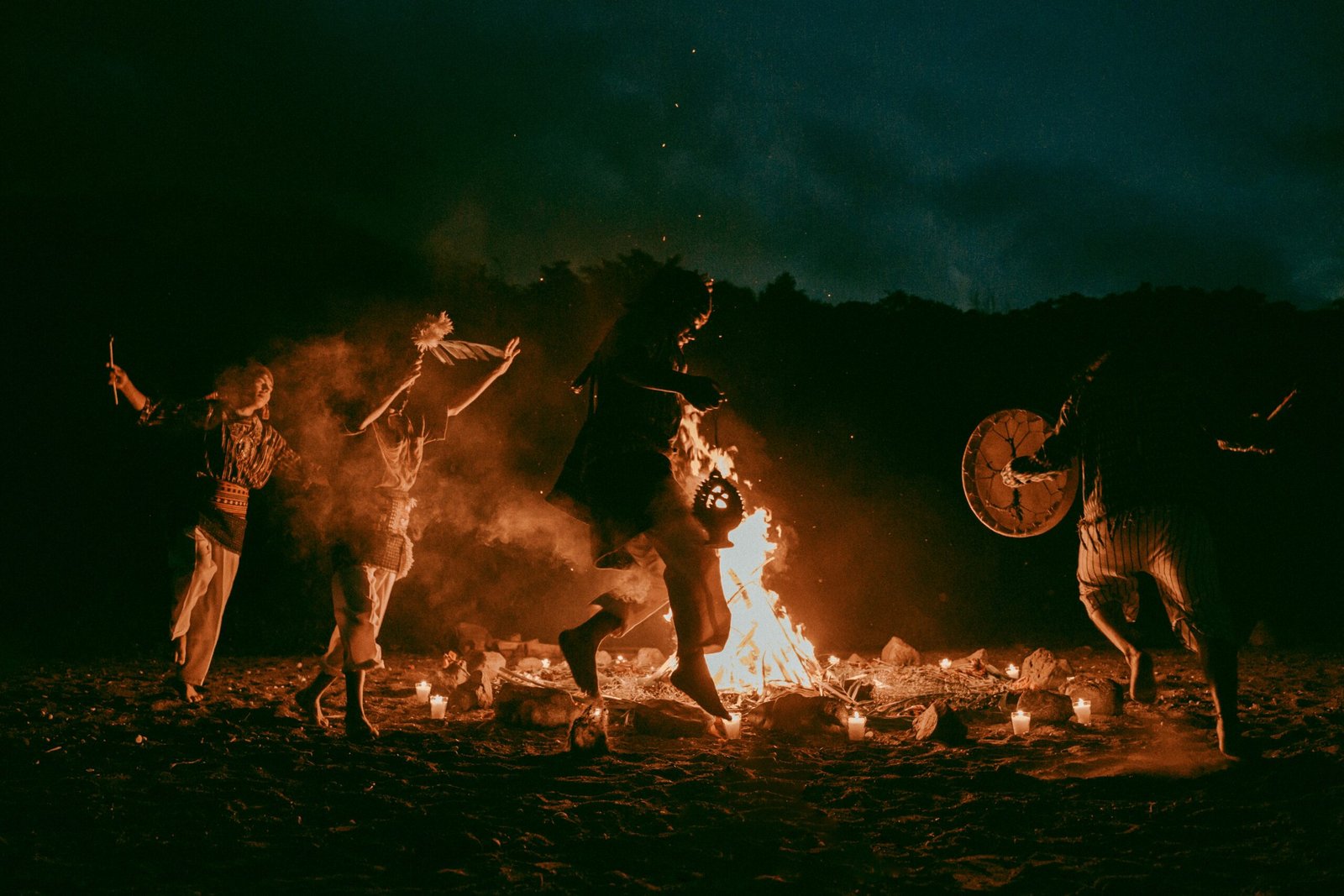
Long before Halloween existed, people in Ireland, Scotland, and other Celtic regions celebrated a festival called Samhain (pronounced sow-in).
This festival marked the end of the harvest season and the beginning of winter. It was celebrated on October 31st night, which Celts believed was a magical time when:
The boundary between the living and the dead became thin.
Spirits could return to visit the earth.
People lit bonfires to scare away evil spirits.
They wore animal-skin costumes and masks so that ghosts would mistake them for fellow spirits and not harm them.
This ancient belief about ghosts, spirits, and the afterlife became the base of modern Halloween celebrations.
3. The Christian Connection – All Saints’ Day
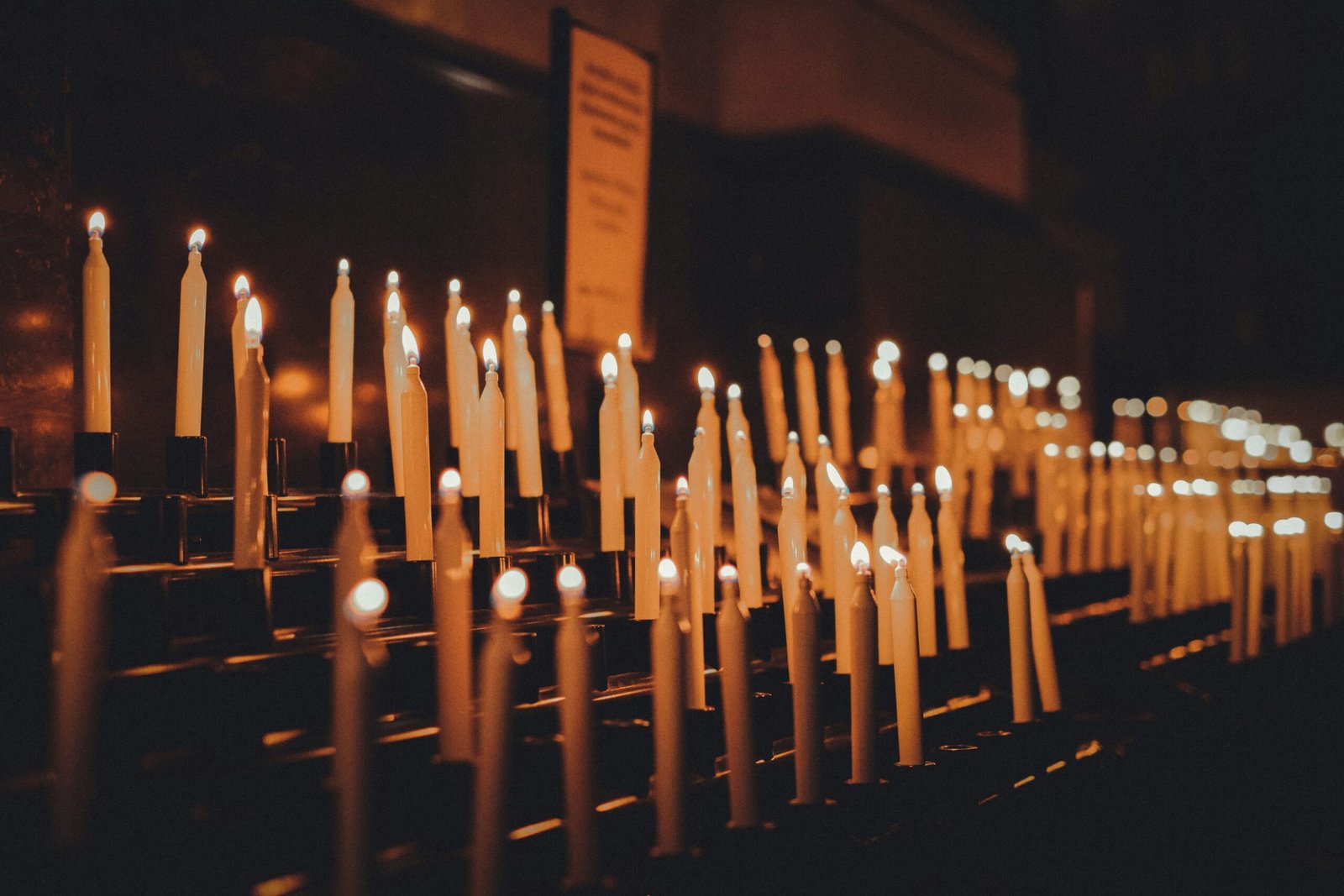
When Christianity spread across Europe, the Church wanted to replace the pagan (non-Christian) festivals with Christian ones.
In the 8th century, Pope Gregory III declared November 1st as All Saints’ Day (All Hallows’ Day) — a day to remember all holy saints.
The night before it, October 31st, became known as All Hallows’ Eve, which later shortened to Halloween.
So Halloween became a mix of:
Ancient Celtic traditions (Samhain)
Christian beliefs (All Saints’ Day)
Local folk customs
This blending gave Halloween both its spiritual meaning and fun traditions.
4. Halloween Comes to America
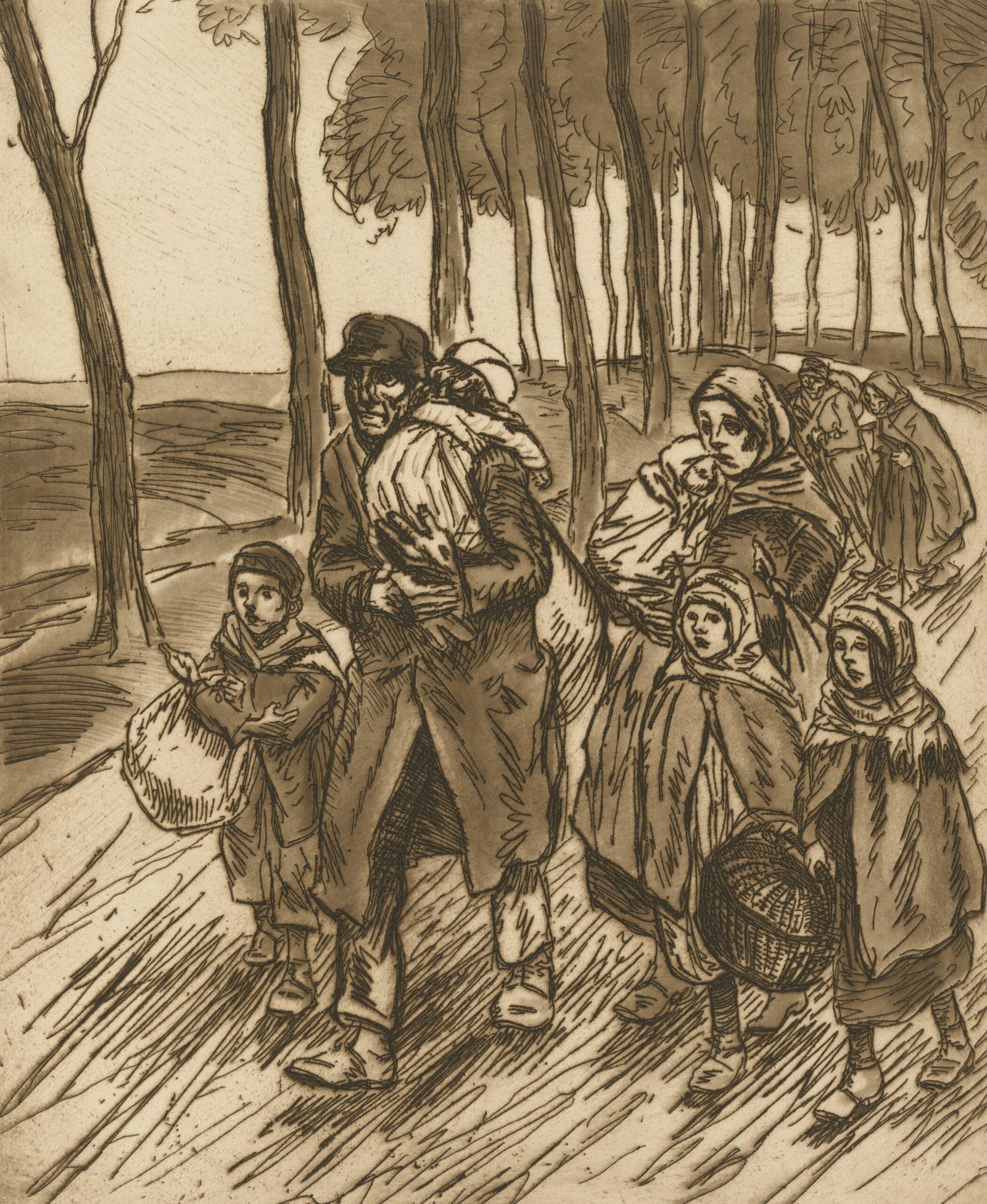
Halloween wasn’t originally celebrated in America. It came later with Irish and Scottish immigrants in the 1800s.
When they moved to the United States, they brought their Samhain and All Hallows’ Eve traditions with them. Over time, these customs changed and grew into the modern Halloween we know today.
In the U.S., Halloween became:
A community event with parties, games, and treats.
A non-religious holiday focused on fun and creativity.
A time for kids to dress up and go door-to-door asking for candy.
By the 20th century, Halloween had become one of America’s most loved holidays.
5. Why Do We Carve Pumpkins?
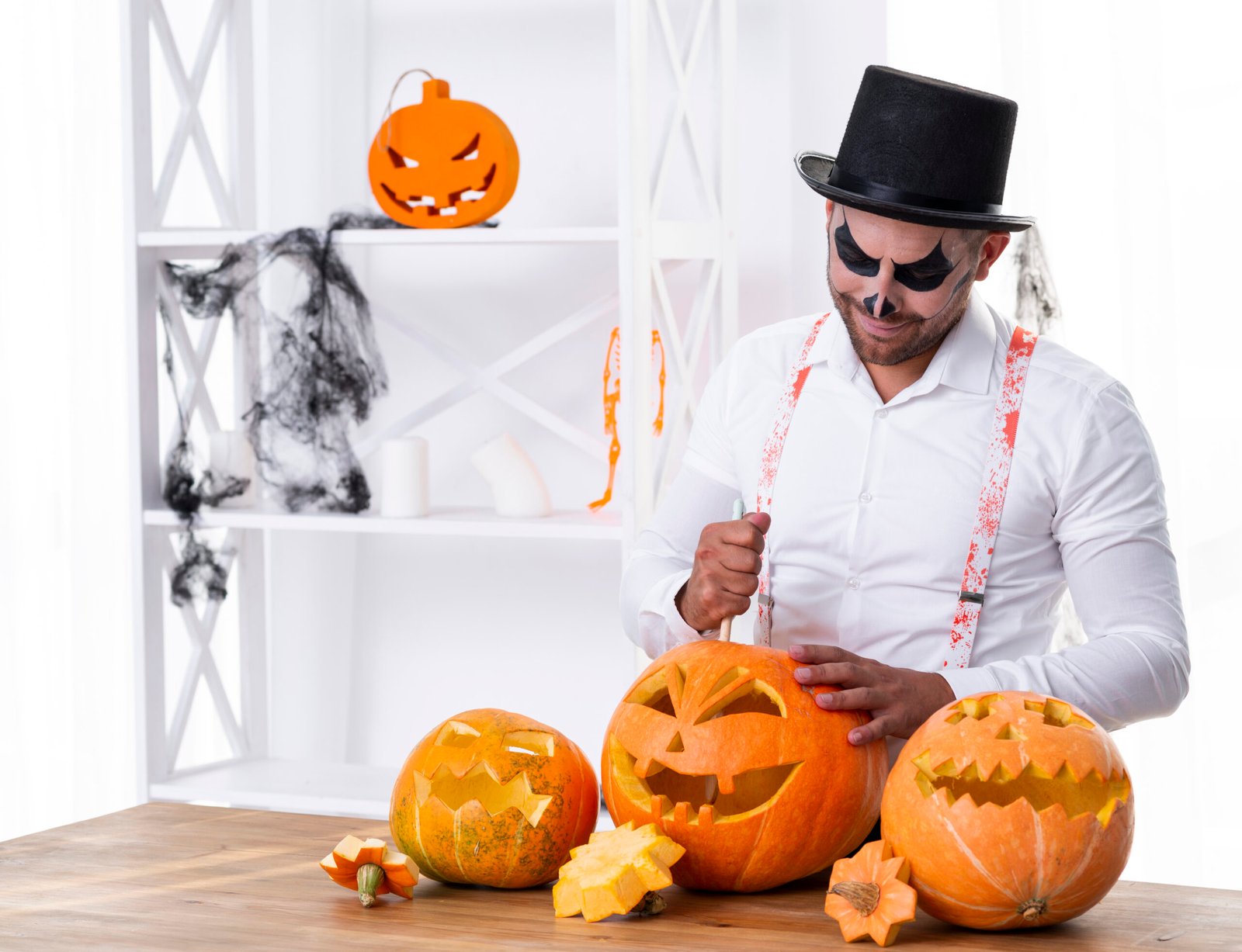
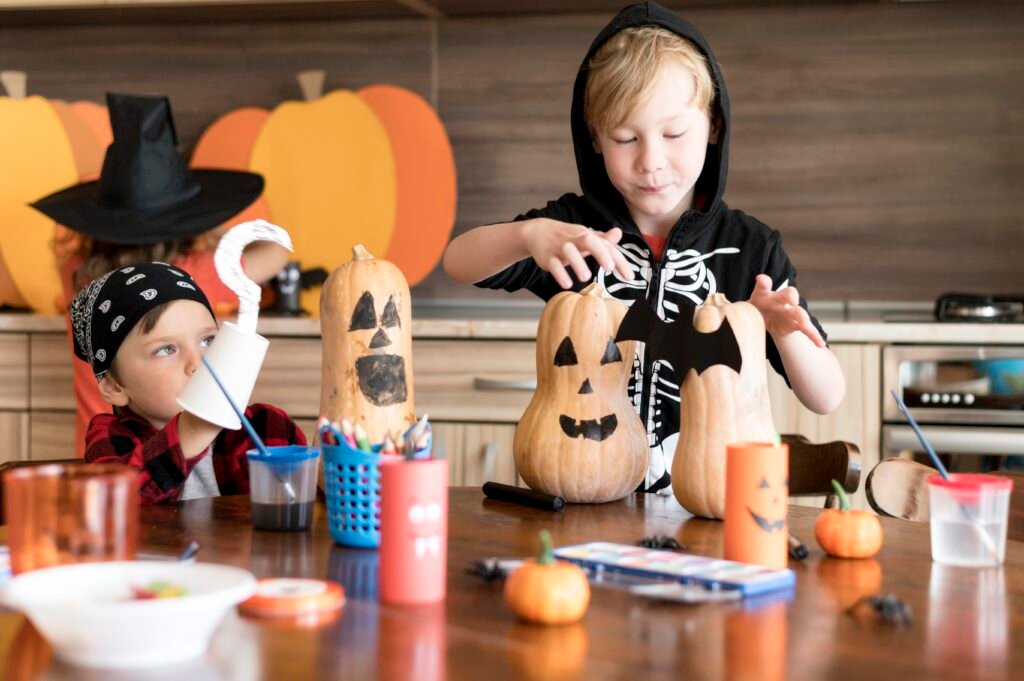
One of the most famous Halloween traditions is carving jack-o’-lanterns.
But do you know where that idea came from?
It began with an Irish legend about a man named Stingy Jack.
Jack was a clever man who tricked the devil but was not allowed into heaven or hell after he died. So, he was forced to wander the earth with only a burning coal inside a carved-out turnip to light his way.
People in Ireland and Scotland started carving faces on turnips and potatoes to scare away Jack’s spirit.
When immigrants came to America, they found that pumpkins — a fruit native to the U.S. — were bigger and easier to carve.
And that’s how the pumpkin jack-o’-lantern became a Halloween symbol! 🎃
6. Trick or Treat – The Sweetest Tradition

“Trick or Treat” is one of the most fun parts of Halloween for kids.
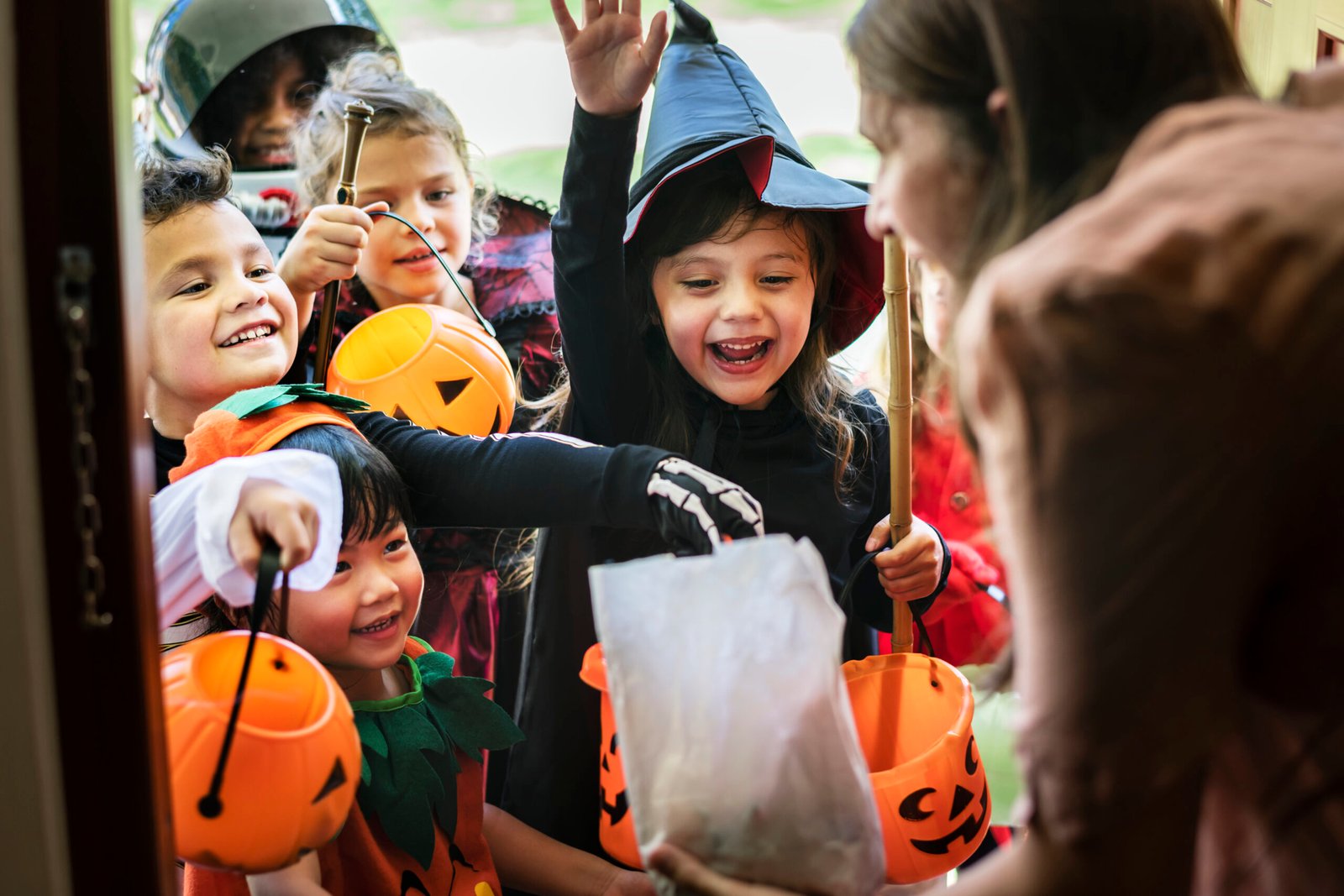
On the night of October 31st, children dress up in costumes and go from house to house, saying “Trick or treat!”
Neighbors give them candies, chocolates, or small toys.
But where did this come from?
It’s believed to come from an old European custom called “souling” and “guising.”
In souling, poor people went door-to-door asking for food in exchange for prayers for the dead.
In guising, children wore costumes and performed songs or jokes to earn treats.
Over time, these customs turned into the modern trick-or-treat tradition we see today.
7. Costumes and Dressing Up
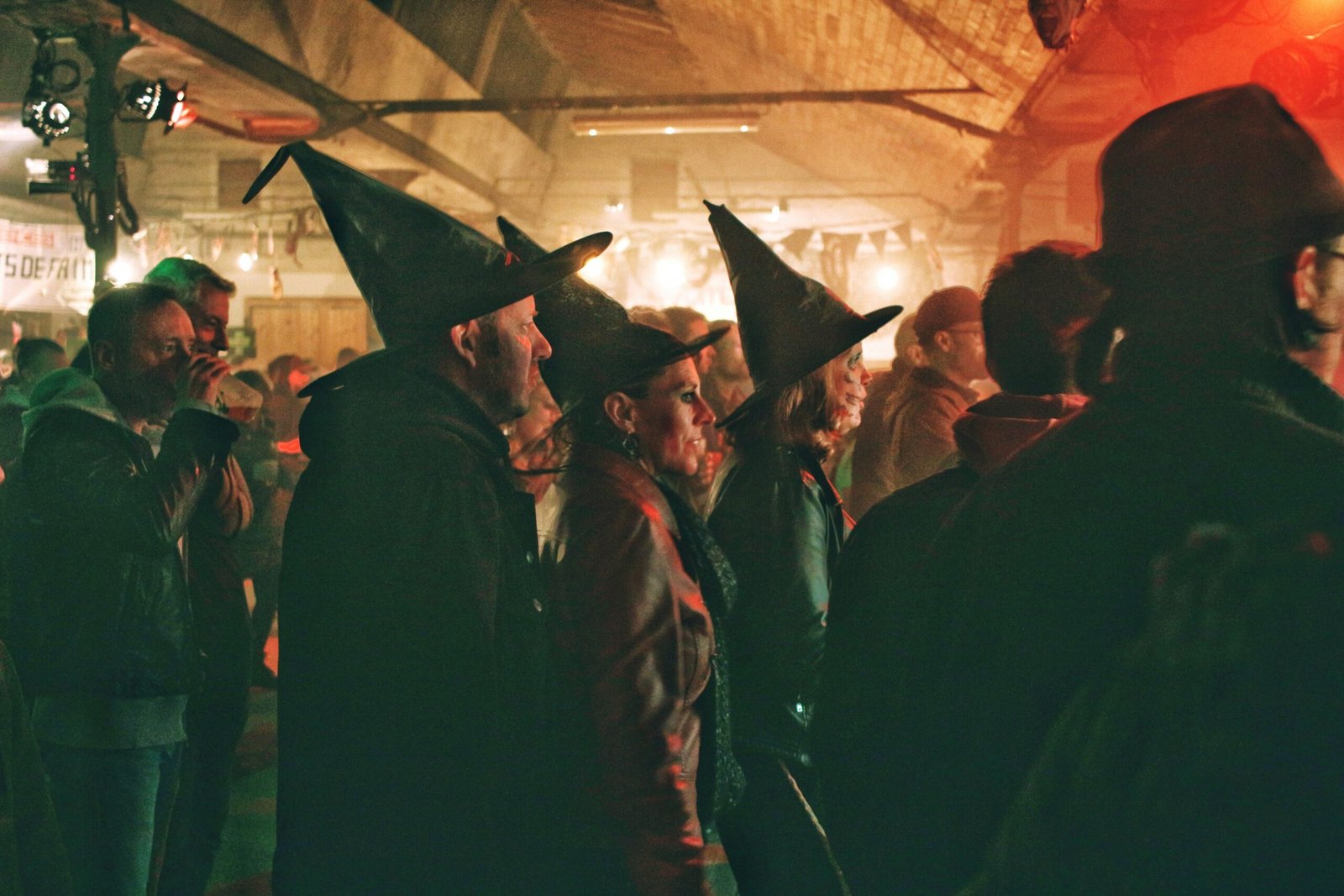
Dressing up in costumes has always been a key part of Halloween.
In the past, people wore scary masks to hide from ghosts during Samhain.
Today, costumes are a way to express creativity and have fun.
People dress as:
Witches, ghosts, and skeletons 👻
Famous movie characters or superheroes 🦸♀️
Funny or cute costumes 🐱🎩
Costumes make Halloween a time for imagination and self-expression.
8. Halloween Decorations
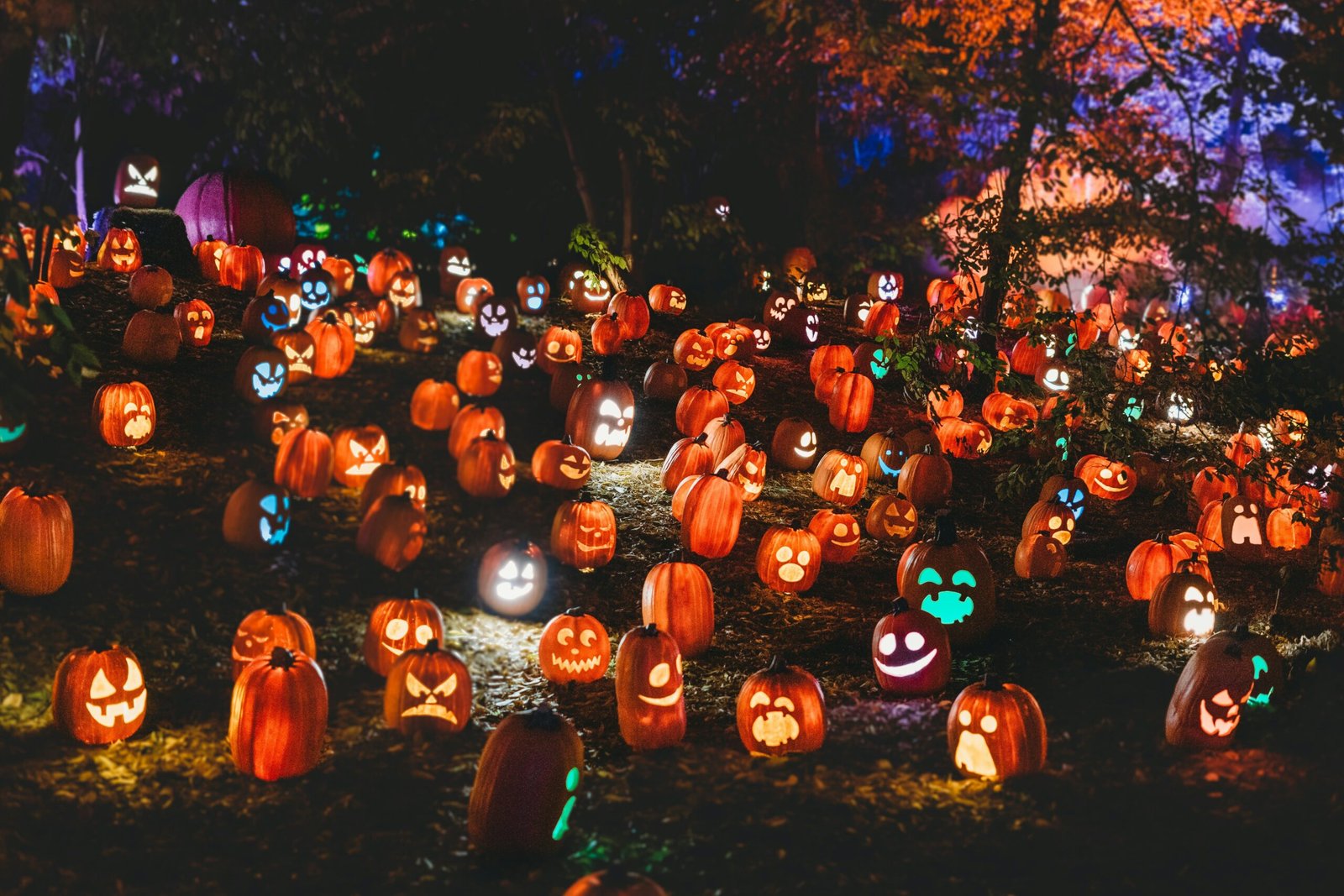
Halloween isn’t just about costumes — it’s also about decorating homes.
People use:
Pumpkins and jack-o’-lanterns
Spiders, bats, skeletons, and ghosts
Candles, fairy lights, and fog machines
Some even create haunted house themes in their yards!
These decorations bring the spooky spirit of Halloween to life and make neighborhoods look magical at night.
9. Halloween Symbols and Their Meanings
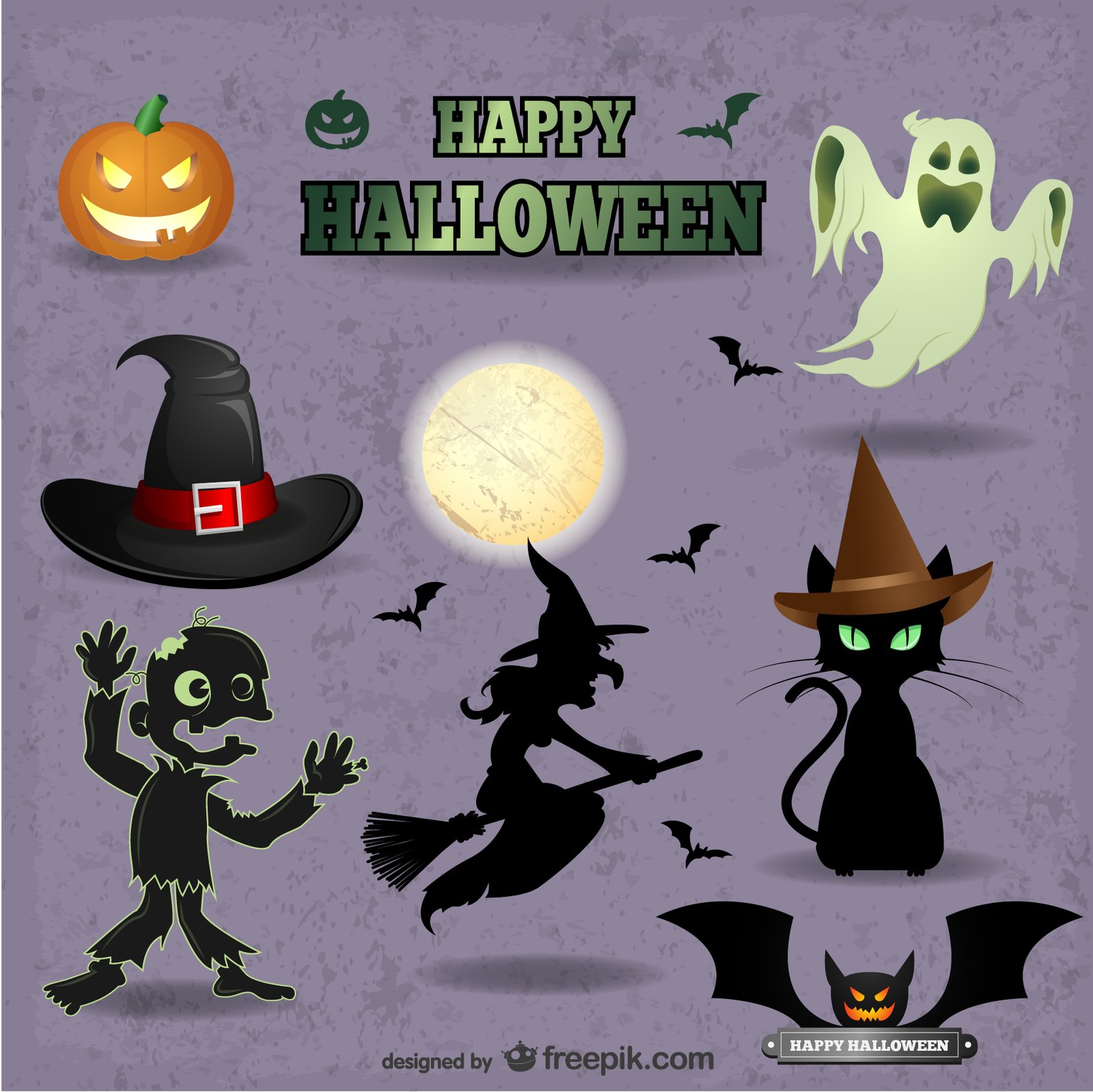
Each Halloween symbol has its own special meaning:
| Symbol | Meaning |
|---|---|
| 🎃 Pumpkin | Represents harvest and the jack-o’-lantern legend |
| 👻 Ghost | Spirits returning on Halloween night |
| 🕷️ Spider | Mystery, webs of life, and connection to the spirit world |
| 🦇 Bat | Night creatures linked to old superstitions |
| 🐈⬛ Black Cat | Good or bad luck depending on tradition |
| 🔥 Bonfire | Protection against evil spirits during Samhain |
These symbols remind us of Halloween’s deep roots in nature, myth, and mystery.
10. Modern Halloween Celebrations
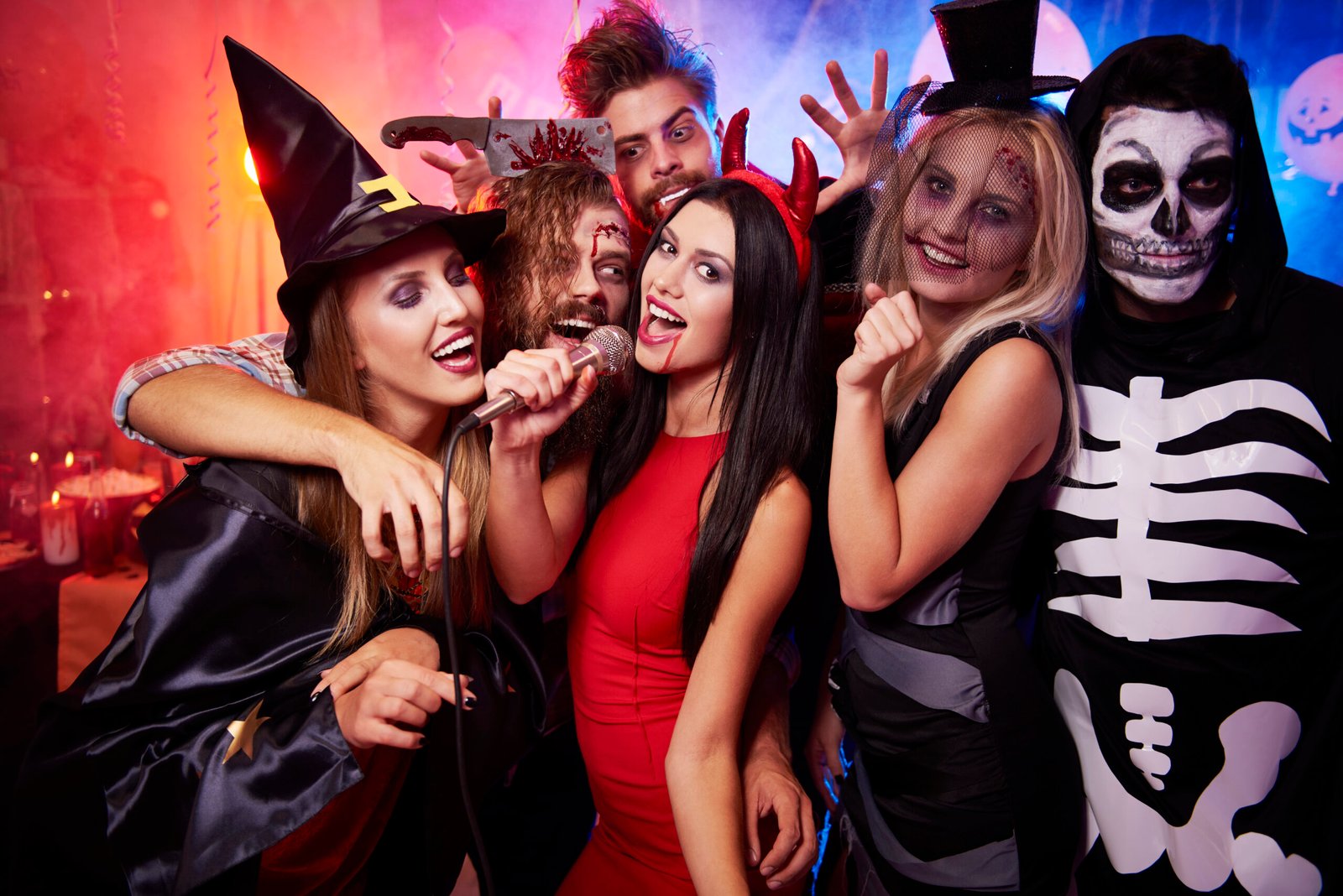
Today, Halloween is celebrated in many ways:
Children go trick-or-treating
Adults attend costume parties or decorate homes
Communities organize parades and pumpkin contests
Schools hold fun dress-up events
Brands and stores run Halloween-themed sales
Even though its ancient meaning has changed, Halloween remains a day of fun, togetherness, and creativity.
11. Halloween Around the World
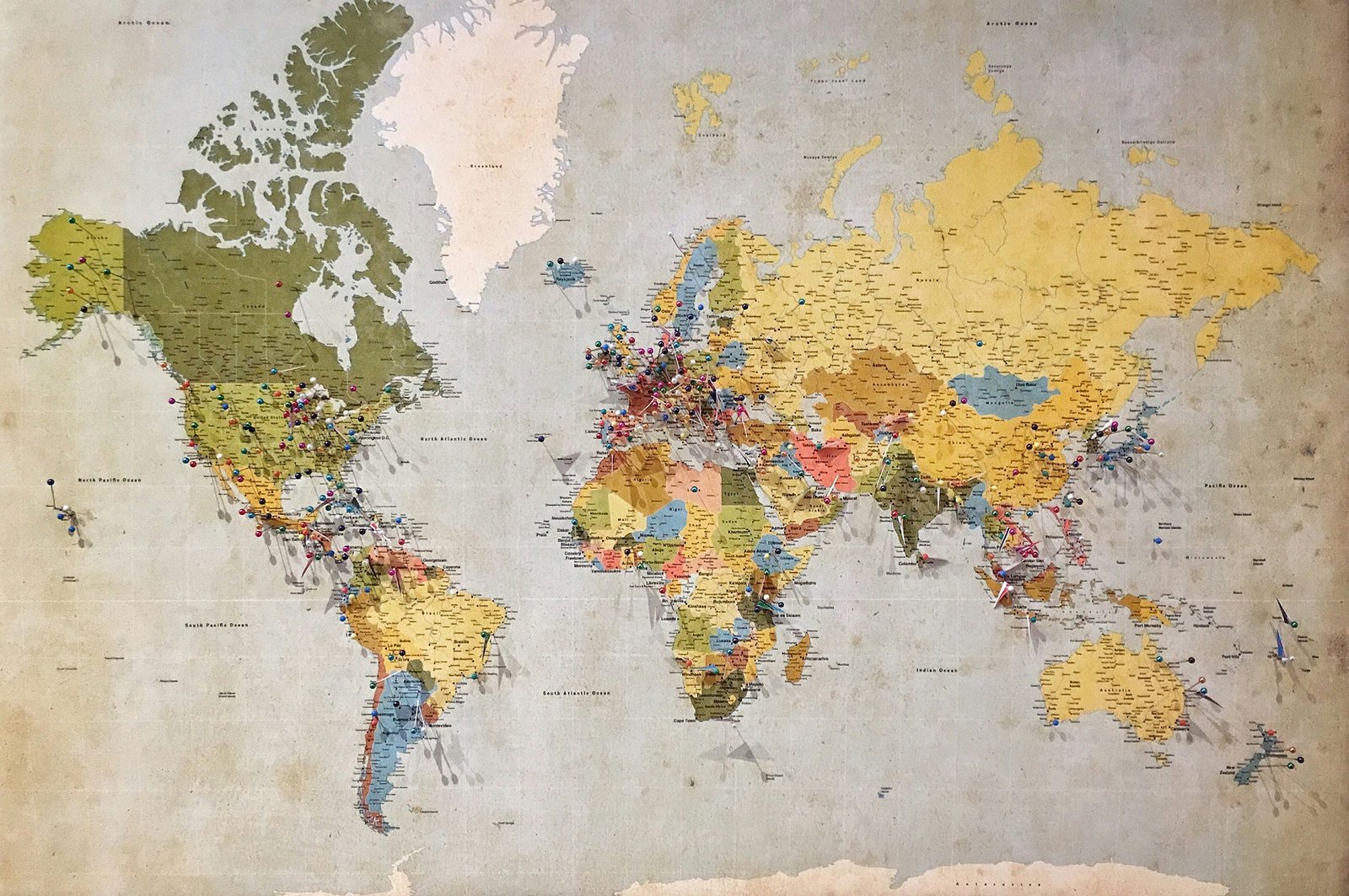
Halloween began in Europe and became big in the U.S., but now it’s spreading worldwide.
Here’s how different countries celebrate:
Mexico – Celebrates Día de los Muertos (Day of the Dead), honoring ancestors with flowers and food.
Ireland & Scotland – Still keep many old Samhain customs.
Japan – Holds Halloween parades and cosplay events.
Philippines – Have Pangangaluluwa, similar to souling.
UK & Canada – Celebrate with trick-or-treating and parties.
Each culture adds its own unique touch to the celebration.
12. Why We Celebrate Halloween Today
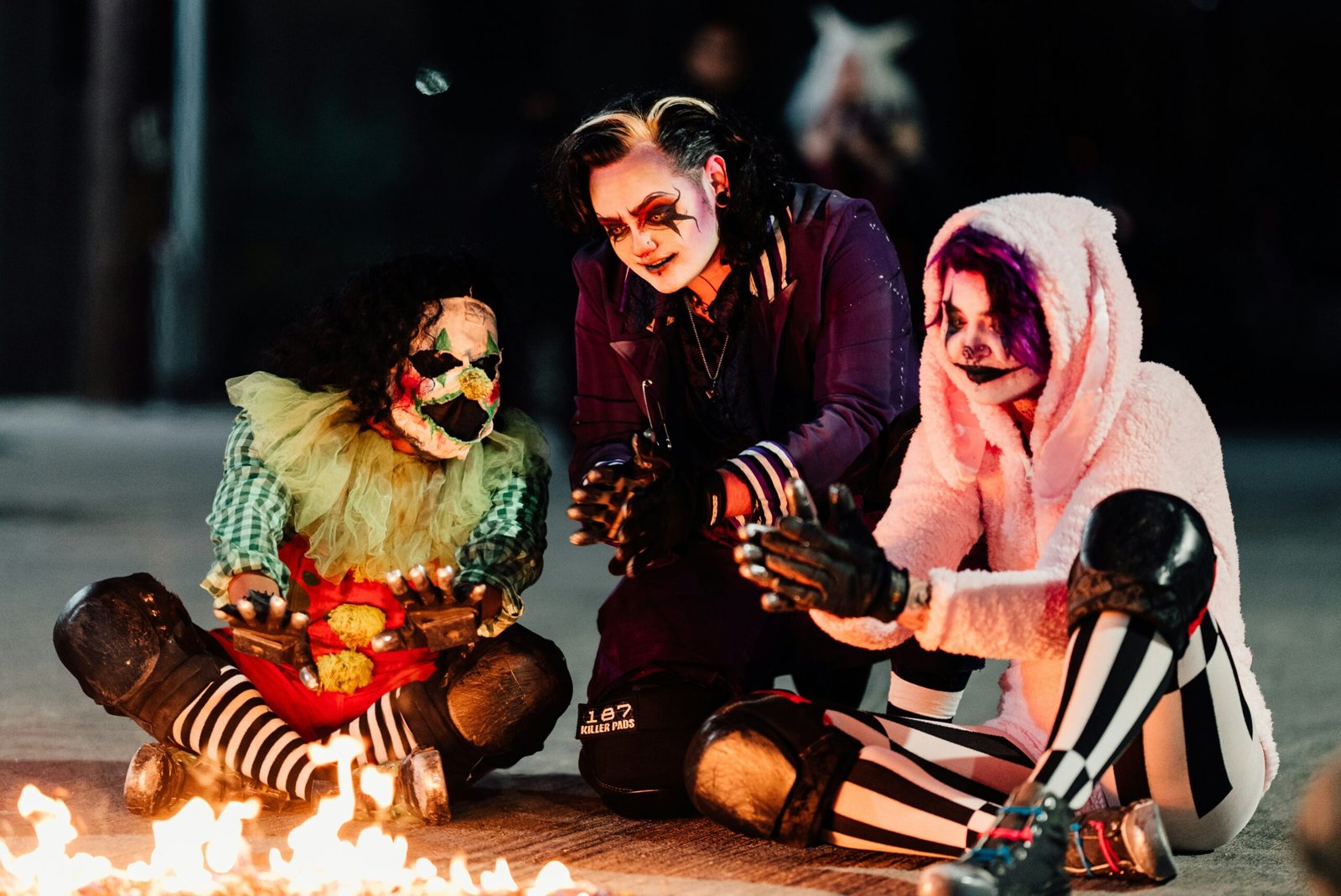
Today, people celebrate Halloween mainly for fun, creativity, and community spirit.
Even though it started as a serious festival about life and death, it has turned into a time for:
Enjoying the spooky season
Spending time with family and friends
Celebrating imagination and laughter
Halloween helps people forget stress, have fun, and feel connected — whether through candy, costumes, or carving pumpkins.
13. Fun Halloween Facts
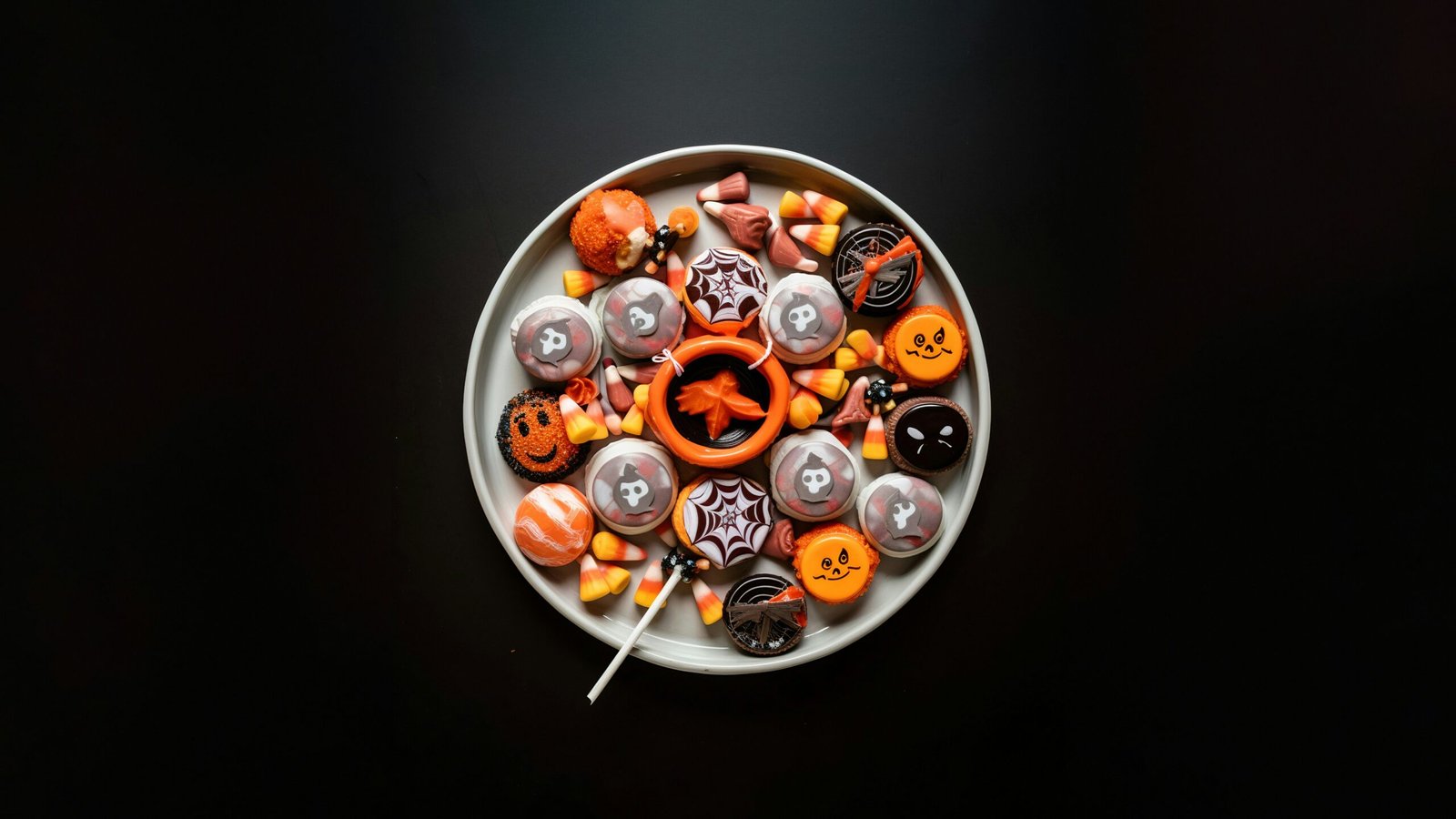
Here are some fun facts you can share:
Americans spend over $10 billion on Halloween every year.
The first jack-o’-lanterns were carved from turnips, not pumpkins.
Black and orange are traditional Halloween colors — orange for harvest, black for darkness.
Candy corn was invented in the 1880s.
Some people believe full moons on Halloween bring special energy.
14. Final Thoughts – The True Spirit of Halloween
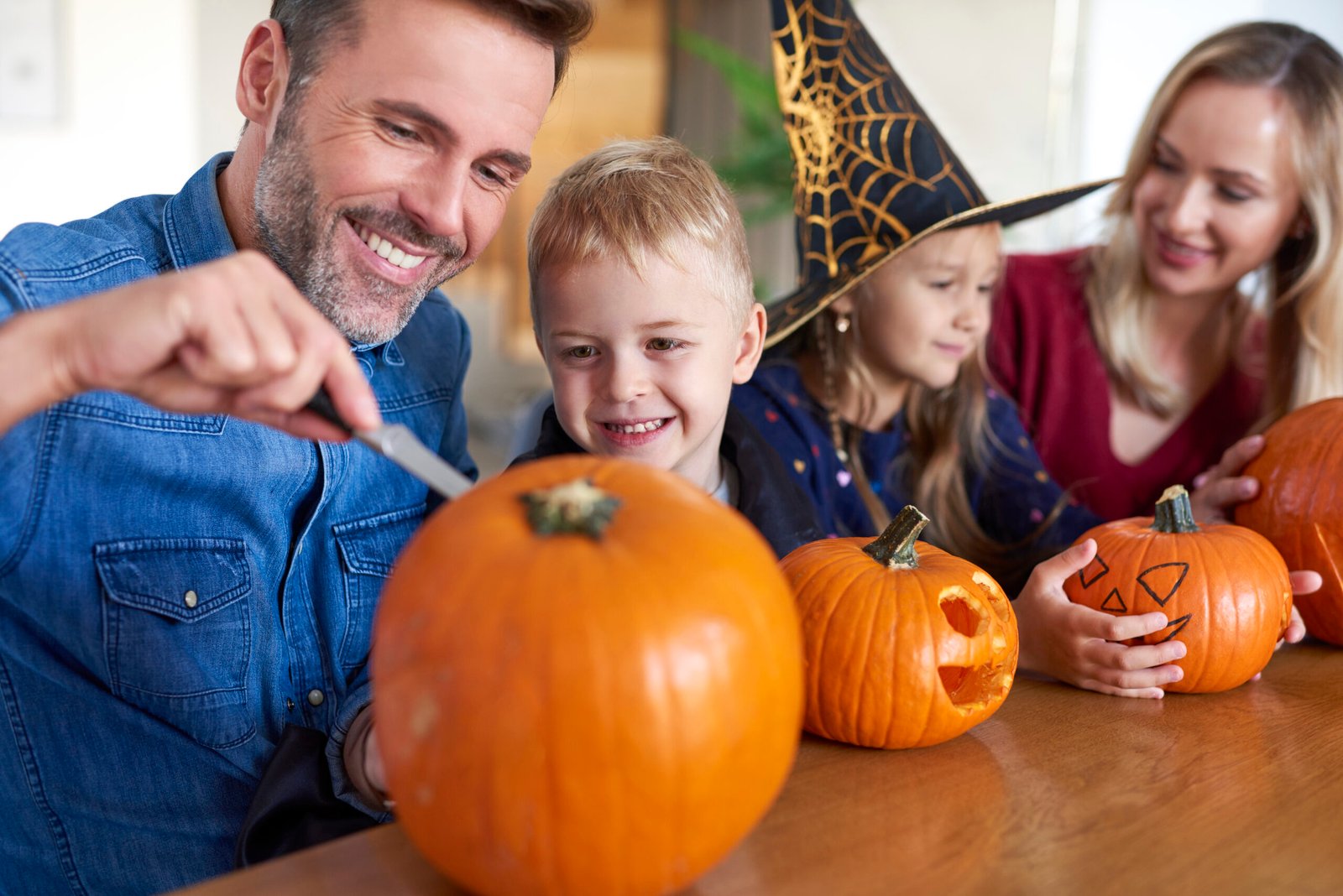
Halloween has changed a lot through history — from ancient rituals to modern parties — but its heart remains the same:
It’s a celebration of life, imagination, and community.
It reminds us that even in darkness, we can find light, laughter, and creativity.
So this Halloween, whether you’re carving a pumpkin, watching a spooky movie, or handing out candy — remember that you’re part of a tradition thousands of years old.
check out our Halloween Decor Ideas 2025: DIYs & Spooky Trends and 10 Outdoor Halloween Decorations.